
E-Commerce and Retail Company Formation in Oman
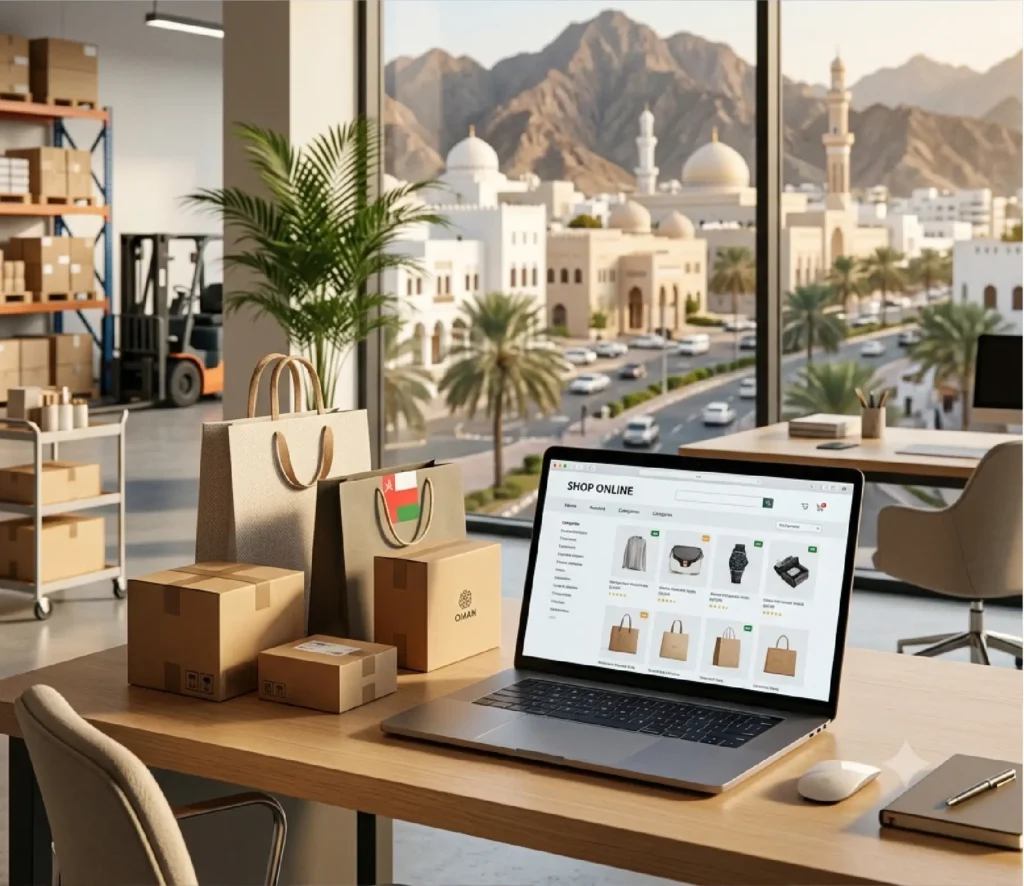
Oman’s e-commerce and retail sector is experiencing rapid growth, driven by high internet penetration, increasing smartphone adoption, a young digitally active population, and a government committed to developing the country’s digital economy infrastructure. From online retail platforms and digital marketplaces to physical retail outlets and omnichannel businesses, the commercial opportunities for entrepreneurs and investors looking to register an e-commerce company in Oman have expanded significantly in recent years. Vision 2040 places digital commerce at the centre of Oman’s economic modernisation agenda, with investment in digital payment infrastructure, logistics networks, and regulatory frameworks designed to support both domestic and cross-border e-commerce activity. For businesses planning e-commerce company registration in Oman, the market is growing, the regulatory environment is evolving positively, and the competitive landscape remains less saturated than comparable GCC markets.
Why Invest in Oman's E-Commerce and Retail Sector?
Oman’s e-commerce and retail market is entering a period of accelerated growth, supported by digital infrastructure investment, changing consumer behaviour, and a government agenda focused on digital economy development. The following factors highlight the key investment drivers for e-commerce and retail business registration in Oman.
High Digital Adoption and Consumer Demand
Oman has one of the highest smartphone penetration rates in the region, with a predominantly young population actively using digital platforms for shopping, payments, and service access. Consumer demand for convenient, digital-first retail experiences is growing rapidly across all product categories.
Rapid E-Commerce Market Growth
Online retail in Oman is growing consistently, accelerated by changes in consumer behaviour, improvements in digital payment infrastructure, and the expansion of last-mile delivery networks. The market remains significantly underpenetrated relative to more mature e-commerce markets, indicating strong growth headroom.
Government Digital Economy Investment
The government is investing in national digital payment systems, e-government services, and digital infrastructure that directly benefits e-commerce operators. Regulatory frameworks for electronic transactions and consumer data protection are being modernised to support commercial digital activity.
Vision 2040 Opportunities
Vision 2040 identifies digital economy development as a strategic priority, with initiatives targeting e-commerce growth, digital entrepreneurship, and the development of Oman as a regional logistics and distribution hub. Businesses contributing to these objectives benefit from regulatory support and access to development programmes.
Strategic Regional Market Access
Oman’s geographic position, improving logistics infrastructure, and free trade agreements provide e-commerce businesses with access to regional consumer markets across the GCC, East Africa, and South Asia, supporting cross-border selling and regional distribution strategies.
Emerging Fintech and Digital Payments Integration
Fintech adoption is accelerating in Oman, with mobile wallets, BNPL solutions, and secure gateways transforming online transactions. E‑commerce businesses integrating these payment innovations gain higher consumer trust and faster conversion rates.
Business Activities Under an E-Commerce and Retail Licence
When setting up an e-commerce business in Oman, permitted activities depend on the licence category and the products or services being sold. Below are the principal activity categories available to e-commerce and retail businesses in Oman.
Online Retail and Marketplace Operations
Companies may operate e-commerce websites, mobile applications, and digital marketplaces selling products directly to consumers or facilitating third-party seller transactions across general or specialist product categories.
Physical Retail and Multi-Channel Operations
Businesses may establish physical retail outlets, showrooms, or store networks operating independently or alongside an e-commerce platform as part of an integrated omnichannel retail strategy.
Fashion and Apparel Retail
Companies may operate online or physical retail businesses selling clothing, footwear, and accessories, including importation and distribution of international fashion brands or proprietary private label products.
Electronics and Technology Retail
Businesses may sell consumer electronics, mobile devices, computing equipment, and technology accessories through online platforms or physical retail locations, subject to product registration requirements.
Food and Grocery E-Commerce
Companies may operate online grocery platforms, food delivery services, and digital ordering systems for food and beverage products, subject to food safety authority approvals and municipality compliance.
Health, Beauty, and Wellness Retail
Businesses may sell health, beauty, and personal care products through e-commerce platforms or retail outlets, subject to product registration with the Ministry of Health where applicable.
Cross-Border E-Commerce and Import Trading
Companies may operate cross-border e-commerce businesses, importing and selling international products to Omani consumers, subject to customs regulations and applicable product standards requirements.
Dropshipping and Fulfilment Services
Businesses may operate dropshipping models or provide e-commerce fulfilment, warehousing, and last-mile delivery services to online retailers operating in Oman and the wider region.
Types of E-Commerce and Retail Companies in Oman
Oman’s e-commerce and retail sector accommodates a broad range of business models. Understanding the right company type for your operation is an important step when planning e-commerce company registration in Oman.
Pure-Play E-Commerce Companies
These businesses operate exclusively through digital channels, selling products or services through websites, mobile applications, or digital marketplaces without maintaining physical retail locations. This model offers lower overhead costs and wider geographic reach within Oman and across regional markets.
Physical Retail Companies
These businesses operate through physical store networks, showrooms, or retail outlets. Physical retail remains an important channel in Oman, particularly for categories including fashion, electronics, home furnishings, and food and grocery where in-store experience influences purchase decisions.
Omnichannel Retail Companies
These businesses integrate online and physical retail operations, providing customers with a seamless shopping experience across digital and in-store channels. The omnichannel model is increasingly common among established retailers and growing e-commerce businesses looking to build brand presence.
Marketplace and Platform Companies
These businesses operate digital marketplaces or platforms connecting buyers and sellers, generating revenue through commissions, listing fees, or value-added services rather than direct product sales. Platform models require technology investment and careful regulatory consideration regarding transaction facilitation.
Licence and Regulatory Requirements
E-commerce company registration in Oman involves engagement with commercial registration authorities and, depending on the products sold, sector-specific regulatory bodies. The following authorities govern e-commerce and retail business setup in Oman.
Authority |
Responsibility |
|---|---|
Ministry of Commerce, Industry and Investment Promotion (MoCIIP)
|
Commercial registration and e-commerce trade licence issuance for all retail and online businesses is handled by MoCIIP. The activity codes selected must accurately reflect the products being sold and the channels through which sales are made
|
Telecommunications Regulatory Authority (TRA)
|
E-commerce businesses operating digital platforms and handling consumer data must comply with Oman's Personal Data Protection Law and relevant TRA guidelines on electronic transactions and digital commerce.
|
Ministry of Health
|
Businesses selling health products, cosmetics, food supplements, or medical devices through e-commerce channels must ensure products are registered with the Ministry of Health before they may be marketed or sold to Omani consumers.
|
Customs Authority
|
E-commerce businesses importing products for sale in Oman must comply with customs clearance requirements, applicable tariffs, and product standards regulations administered by the Oman Customs Authority.
|
Municipality Approvals
|
Businesses operating physical retail premises require municipality approval covering commercial use, signage, health and safety, and fire compliance for their specific location.
|
Start Your E-Commerce Business in Oman
Oman’s e-commerce and retail sector is at an inflection point. Consumer behaviour is shifting rapidly towards digital channels, government investment in digital infrastructure is accelerating, and the market remains significantly underdeveloped relative to its growth potential. Whether you are looking to register an e-commerce company in Oman for the first time, expand an established regional retail brand, or launch a digital marketplace serving the Omani consumer market, the opportunity is clear and the time to act is now.
Our specialist team is ready to manage every aspect of your e-commerce company formation in Oman, from activity planning and commercial registration through to product approvals and operational launch.
Contact us today to schedule a consultation and take the first step towards establishing your e-commerce business in Oman.
Best Company Structure for E-Commerce and Retail Businesses
Selecting the correct legal structure is an important decision when planning e-commerce company registration in Oman. The structure chosen affects ownership rights, liability, and operational flexibility.
Limited Liability Company (LLC / WLL)
The LLC is the most common structure for e‑commerce and retail businesses in Oman. It allows foreign ownership of up to 70% with a minimum 30% Omani shareholding. Offering limited liability, operational flexibility, and straightforward compliance, it suits online retailers, physical stores, and omnichannel operators of all sizes.
Branch Office
A branch office enables an established international retail brand to extend operations into Oman under the parent company’s legal identity. This structure suits businesses with an existing brand presence and defined product range, allowing market entry without forming a separate legal entity.
Joint Venture
Joint ventures with Omani retail groups or distributors accelerate market entry for international brands. They provide access to local retail networks, distribution infrastructure, and established customer relationships, making this structure attractive for businesses seeking credibility and faster expansion.
Shareholding Company (SAOC / SAOG)
A joint stock company structure is suitable for large‑scale retail groups or e‑commerce platforms seeking institutional investment or planning capital raising. It provides a framework for external shareholding and governance, making it appropriate for established businesses rather than startups.
Company Registration Process for E-Commerce and Retail Businesses
Registering an e-commerce or retail company in Oman follows a structured process. The following steps outline the standard path for e-commerce company formation in Oman.
Define Business Activities and Product Categories
Identify the specific products or services your company will sell, the channels through which sales will be made, and any sector-specific product registration or regulatory approvals required.
Reserve Trade Name
Submit your proposed company name to MoCIIP for approval, ensuring it does not conflict with existing registered entities and complies with Oman’s commercial naming conventions.
Prepare Incorporation Documents
Draft the Memorandum and Articles of Association, shareholder agreements, and any premises documentation required for commercial registration and municipality approvals.
Submit Commercial Registration Application
File your application with MoCIIP, selecting the appropriate retail and e-commerce activity codes. Pay the applicable registration fees and obtain your Commercial Registration certificate.
Complete Product Registrations
If your business sells regulated products including health products, cosmetics, food items, or electronics, complete the relevant product registration processes with the Ministry of Health or applicable authority before commencing sales.
Obtain Municipality and Premises Approvals
If operating physical retail premises, secure municipality approval, commercial use certification, and any health and safety permits required for your specific location and retail format.
Register for Tax Compliance
Register with the Oman Tax Authority for corporate tax purposes. Businesses exceeding the VAT registration threshold must also register for Value Added Tax compliance.
Open a Corporate Bank Account
Open a business bank account with an Omani commercial bank and establish payment gateway integrations for your e-commerce platform, providing all required company documentation for account opening.
Launch Operations
With all registrations, licences, and product approvals in place, your e-commerce or retail company is authorised to begin selling to customers in Oman.
Documents Required
The following documents are typically required when registering an e-commerce or retail company in Oman:
Passport copies of all shareholders and directors
Passport-size photographs of all shareholders and directors
Memorandum and Articles of Association (notarised)
Proposed company name reservation certificate
Detailed business plan including product categories, sales channels, and revenue model
Proof of registered office or business premises address in Oman
Tenancy or lease agreement for business premises where applicable
Shareholder background declaration and source of funds statement
Challenges in the E-Commerce and Retail Sector
Oman’s e-commerce and retail sector presents significant commercial opportunities but involves a set of operational, regulatory, and competitive challenges that businesses must plan for when entering the market.
Logistics and Last-Mile Delivery Infrastructure
While improving, last-mile delivery infrastructure outside Muscat remains less developed than in larger GCC markets. Building reliable and cost-effective delivery networks across Oman’s diverse geography requires careful logistics planning and partner selection.
Consumer Trust in Online Transactions
A portion of Omani consumers, particularly in older demographics, remains cautious about online payments and digital transactions. Building consumer trust requires investment in secure payment systems, clear return policies, and consistent service quality.
Product Registration Requirements
Certain product categories require Ministry of Health registration before they may be sold in Oman. Managing product registration timelines and compliance adds complexity to product range expansion for e-commerce businesses.
Competition from Regional and International Platforms
Established regional e-commerce platforms and international marketplaces compete actively in the Omani market. New entrants must develop clear differentiation strategies based on product selection, customer experience, or price positioning.
Payment Infrastructure Limitations
Despite improving digital payment adoption, a proportion of Omani consumers still prefer cash-on-delivery as a payment method, adding operational complexity and cash flow management challenges for e-commerce operators.
Opportunities in the E-Commerce and Retail Sector
Oman’s e-commerce and retail market is at an early growth stage relative to more mature GCC markets, presenting clear opportunities for businesses entering now with the right product strategy and operational capability.
- Underpenetrated E-Commerce Market
Online retail penetration in Oman remains significantly below GCC average, indicating strong growth potential for well-positioned e-commerce businesses entering a market where consumer habits are still being formed and brand loyalties are not yet established. - Vision 2040 Digital Economy Programmes
Government initiatives supporting digital entrepreneurship, digital payment infrastructure, and e-commerce ecosystem development are creating a more favourable operating environment for online retail businesses. - Growing Youth Consumer Segment
Oman’s large and digitally native youth population represents a high-growth consumer segment with strong appetite for online shopping, social commerce, and digital-first brand experiences across fashion, electronics, and lifestyle categories. - B2B E-Commerce Opportunity
Business-to-business e-commerce for industrial supplies, office products, and professional services is significantly underdeveloped in Oman, representing an attractive opportunity for platforms and distributors with strong supply chain capabilities. - Social Commerce Growth
The rapid growth of social media usage in Oman is creating significant opportunities for social commerce businesses selling through Instagram, TikTok, and Snapchat channels, particularly in fashion, beauty, and lifestyle categories. - Regional Cross-Border Distribution
Oman’s improving logistics infrastructure and strategic geographic position provide e-commerce businesses with opportunities to serve regional cross-border markets across the GCC, East Africa, and South Asia from a single operational base.
Why Choose Us for E-Commerce Company Registration in Oman?
Setting up an e-commerce business in Oman requires knowledge of both commercial registration requirements and the product-specific regulatory approvals that apply to your product range. Our team provides end-to-end support for e-commerce company formation in Oman.
- Sector Knowledge: Proven experience in e-commerce and retail company registration across Oman, with understanding of MoCIIP licensing requirements and product regulatory frameworks.
- Product Registration Support: Guidance and management of product registration processes with the Ministry of Health and other relevant authorities for regulated product categories.
- Documentation Preparation: Full preparation of Memoranda of Association, business plans, and all documentation required for MoCIIP commercial registration.
- Tax Registration Advisory: Support for corporate tax registration and VAT compliance setup, ensuring your business meets all Oman Tax Authority obligations from the outset.
- PRO and Operational Services: Complete PRO support for investor visas, employment visas, office establishment, and corporate bank account introductions.
- End-to-End Management: From initial consultation through to commercial registration and operational launch, a fully managed service designed for international retailers, digital entrepreneurs, and first-time market entrants.

Related Business Setup Services
Our e-commerce company formation service is supported by a comprehensive suite of business setup and compliance services across Oman.
Commercial Licensing
Obtaining and renewing trade licences and commercial registrations for all e-commerce and retail activity types in Oman.
PRO Services
Government liaison, document submission, and authority follow-up to keep your registration process on track.
Visa Assistance
Investor visas, employment visas, and dependent visas for company principals and operational staff.
Document Attestation
Attestation and legalisation of incorporation documents, shareholder certificates, and commercial agreements for use in Oman and across the GCC.
Corporate Bank Account Opening
Introduction to Omani commercial banks and payment gateway partners for e-commerce account setup.
Accounting and VAT Compliance
Bookkeeping, financial reporting, and VAT compliance support for e-commerce and retail businesses operating in Oman.
Launch Your E‑Commerce Business Consultation
Step into Oman’s fast‑growing digital economy with confidence. Launch a consultation with our e‑commerce specialists to structure your entity, secure MoCIIP approvals, and align your operations with Vision 2040’s digital commerce agenda.
Frequently Asked Questions
Can a foreign investor fully own an e-commerce company in Oman?
Most LLC structures allow foreign investors to hold up to 70 per cent of shares, with a minimum 30 per cent Omani shareholding required. Specific free zone structures may offer higher foreign ownership thresholds for eligible e-commerce activities
Do I need a physical office to register an e-commerce company in Oman?
Yes, a registered physical office address with a valid lease agreement is required for commercial registration with MoCIIP, even for businesses operating exclusively through online channels.
How long does e-commerce company registration in Oman take?
Commercial registration with MoCIIP typically takes two to four weeks once all documentation is complete. Additional time may be required for product registration processes depending on the product categories involved.
Are there VAT obligations for e-commerce businesses in Oman?
Oman introduced VAT in 2021 at a standard rate of 5 per cent. E-commerce businesses exceeding the VAT registration threshold must register with the Oman Tax Authority and charge, collect, and remit VAT on applicable sales.
Can I sell internationally from my Oman-registered e-commerce company?
Yes, a registered e-commerce company in Oman can sell to regional and international markets. Cross-border sales are subject to applicable customs regulations in destination markets, and your Omani company must comply with relevant export and product compliance requirements.